Nwhf.no er ikke lenger tilgjengelig på denne nettsiden. Besøk derfor nettsiden nordicworldheritage.org. Dette er ikke en offisiell nettside for Den Nordiske Verdensarvforening.
Den Nordiske Verdensarvforening
Hva er verdensarv og hvordan tar vi vare på den? Den Nordiske Verdensarvforening er en ideell interesseorganisasjon som vil fremme UNESCO sine verdier og hjelpe til med implementering av verdensarv i de nordiske landene.
Verdensarv, natur og underholdningsverdi
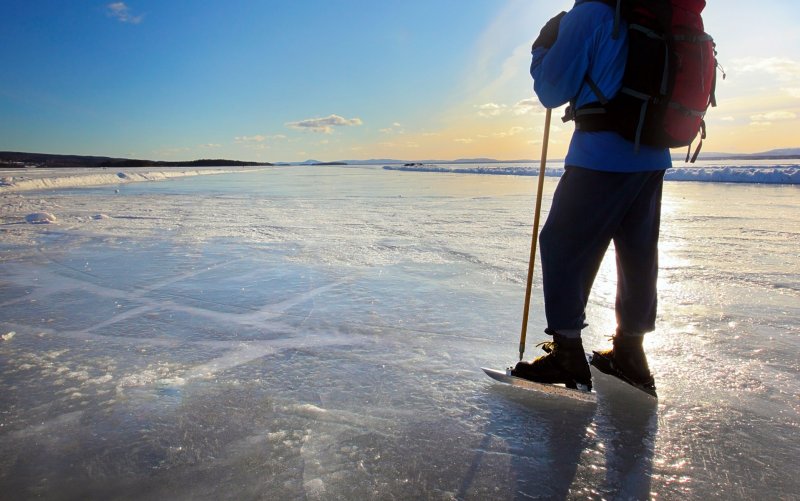
Hva gjør vi
Det er dyrt å opprette verdensarv, både fordi dette er vernede områder hvor virksomhet vil måtte finne nye arenaer å jobbe fra. Den Nordiske Verdensarvforeningen vil jobbe med å finne bidragsytere og aksjonærer til å fremme verning av verdensarv i følge UNESCO sine konvensjoner.
Vakker natur, sårbar natur, verneverdige bygg med historiske tilsagn, alt er med på å gi oss et grunnlag til å fortsette utviklingen av samfunnet nasjonalt og globalt.
Styret
Den Nordiske Verdensarvforeningen består av et styre med mange medlemmer. De besitter mye erfaring, godt nettverk og kjenner til lover knyttet til verdensarv. De nordiske landene har to medlemmer hver, som velges ut av de nasjonale styrene under samme paraply. Alle medlemmer sitter i to år av gangen.
Det er mer og mer viktig å verne om natur og miljø. Med foreningens visjoner og formål kan slike miljø bli ivaretatt og vernet på en god måte. Det er jo ofte i konflikt med mange andre interesser, så fokus rundt akkurat dette er veldig viktig i våre øyne. Støtt opp rundt Den Nordiske Verdensarvforningens mange intensjoner for verning av natur og miljø. Det vil mange sette pris på.